If you are trying to decide between Coral Gables and nearby neighborhoods, the differences can feel subtle at first and very important once you look closer. A home’s setting, street pattern, lot feel, and daily convenience all shape how living there actually feels. This guide will help you compare Coral Gables with Coconut Grove, South Miami, and Pinecrest so you can narrow in on the best fit for your goals. Let’s dive in.
Coral Gables at a Glance
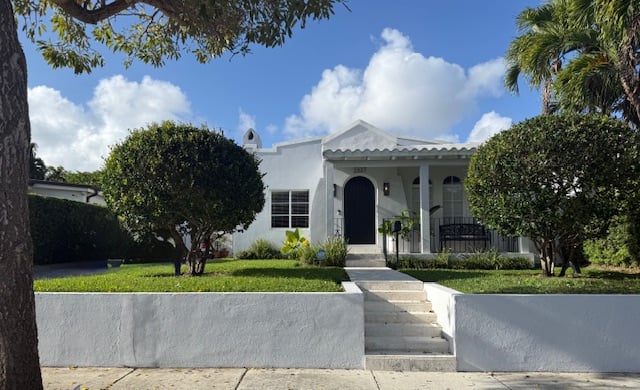
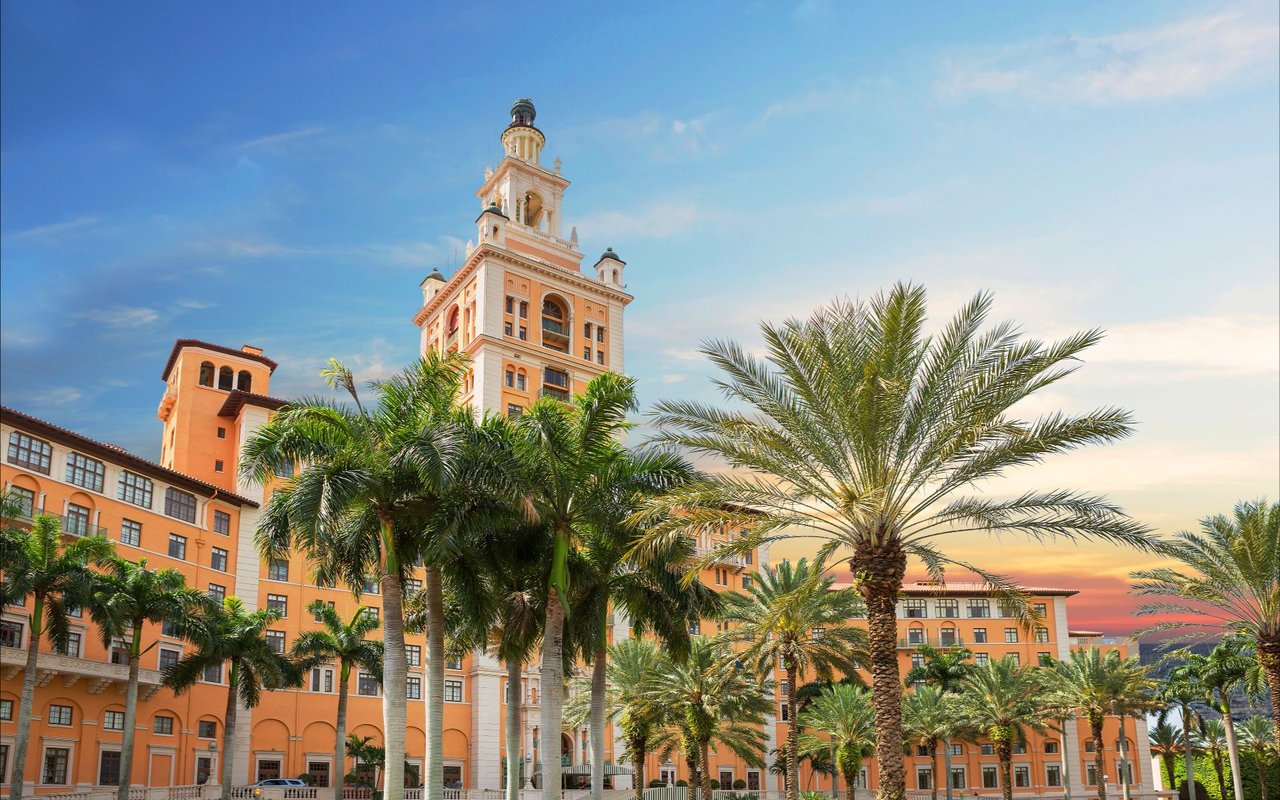
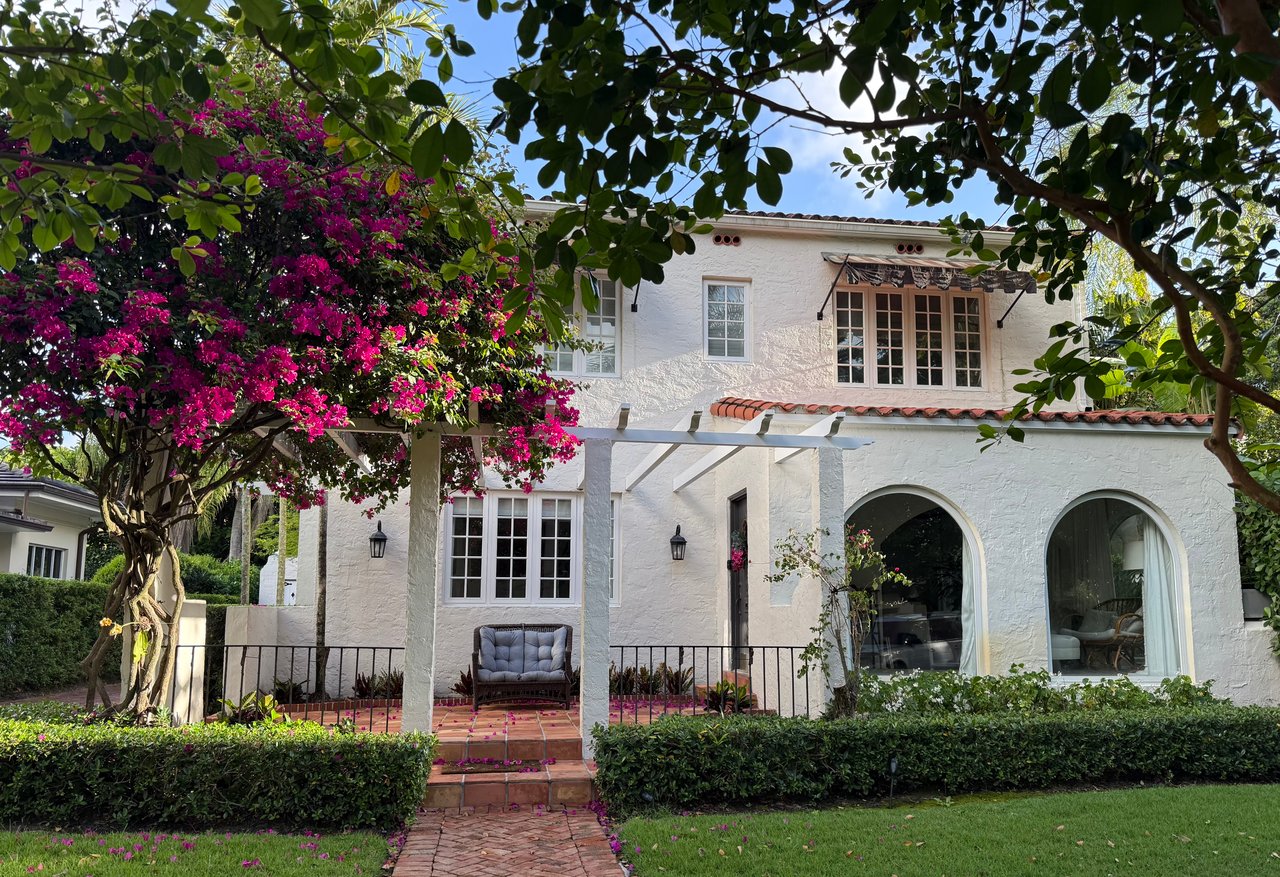
Coral Gables sets a strong baseline because its identity is especially intentional. The city is known for its Mediterranean Revival heritage, coral-rock landmarks, and historic villages that were planned to complement its broader architectural character.
In daily life, Coral Gables also stands out for a polished, pedestrian-friendly core. The city describes Miracle Mile and Giralda Plaza as walkable commercial streets with wide sidewalks, outdoor cafés, and tree-lined surroundings, while city traffic-calming efforts prioritize safer neighborhood streets.
That combination gives Coral Gables a distinct feel. Compared with nearby areas, it often comes across as more formal, more curated, and more structured in the way homes and streets relate to each other.
How Coral Gables Compares Nearby
Coral Gables vs. Coconut Grove
If Coral Gables feels planned and architecturally composed, Coconut Grove tends to feel more organic and landscape-driven. Miami’s conservation rules for the Grove aim to preserve tree canopy, green space, bay views, unique property sizes and shapes, and architectural variety, according to the Miami 21 neighborhood conservation materials.
That usually translates into a different visual rhythm. In Coconut Grove, you are more likely to notice irregular lots, lush greenery, bungalows, gabled homes, screened porches, and a tropical sense of enclosure created by mature landscaping.
Coral Gables, by contrast, feels more uniform in its planning language. Its streets and homes often read as more cohesive, while Coconut Grove tends to feel more eclectic and site-specific.
Coral Gables vs. South Miami
South Miami offers a different kind of convenience. The city describes the SoMi District as a charming downtown near the Metrorail station with tree-lined streets, sidewalk cafés, boutiques, and parking garages.
For buyers comparing the two, South Miami often feels smaller in scale and more centered around its town core. Its planning and preservation materials also point to compact historic residential areas like Cambridge Lawns, which includes homes from the 1920s and 1930s, giving some parts of South Miami an established architectural character.
Coral Gables still offers strong walkability in its downtown, but the experience is broader and often more formal. South Miami may appeal to you if you want a more compact, convenience-oriented setting with a clearly defined center.
Coral Gables vs. Pinecrest
Pinecrest is the clearest contrast if space is your top priority. The village says its residential history includes ranch-style homes on acre lots, and its planning framework includes very low-density estate categories such as one unit per gross acre or one unit per two and a half gross acres, as noted in the village’s history and planning information.
That gives Pinecrest a more spacious, privacy-oriented feel than Coral Gables. Streetscapes tend to read as more spread out, with lot size playing a larger role in the home search.
Pinecrest is also investing in shared-use paths, tree-canopy programs, and Freebee service, but its base pattern remains less urban. If Coral Gables feels balanced between residential charm and city convenience, Pinecrest feels more estate-like and low-density.
Comparing Home Styles and Setting
Architecture in Coral Gables
Coral Gables is the most intentionally styled of the group. The city highlights Mediterranean Revival and coral-rock landmarks, and its historic villages were designed to bring variation within an already strong architectural identity.
If you value visual consistency, historic character, and homes that feel tied to a larger planning vision, Coral Gables often delivers that best. It is a market where architecture is a major part of the neighborhood experience.
Architecture in Nearby Areas
Coconut Grove is generally the most eclectic. Its neighborhood form reflects a mix of tropical, bungalow-era, and Bahamian-influenced references shaped by canopy, lot conditions, and preservation rules.
South Miami is more mixed and smaller in scale. You can find a town-center environment along with older enclaves that reflect early 20th-century styles.
Pinecrest is the least style-driven and the most lot-driven. The overall impression tends to come more from space, setbacks, and estate planning than from a single architectural language.
Lot Size and Street Feel
How a home sits on its lot can matter just as much as the house itself. This is one of the clearest ways these neighborhoods differ.
Coral Gables generally feels more planned and urban in its street pattern. Coconut Grove stands out for unique property shapes, preserved green space, and a strong tree canopy. South Miami often feels more compact near downtown and in its older residential pockets. Pinecrest is the most clearly tied to estate lots and lower density.
Here is a simple way to think about it:
| Area | General Lot and Street Feel |
|---|---|
| Coral Gables | Planned, polished, and structured |
| Coconut Grove | Irregular, lush, and canopy-driven |
| South Miami | Compact and town-center oriented |
| Pinecrest | Spacious, private, and estate-like |
Walkability and Daily Convenience
Where Coral Gables Stands Out
Coral Gables is especially strong if daily walkability matters to you. The city notes that downtown is intended to support walkability, and Miracle Mile is built around a pedestrian-friendly public realm.
That does not mean every residential block functions the same way, but the downtown core is a real advantage for buyers who want restaurants, shops, and services in a more walkable environment.
How Nearby Neighborhoods Differ
South Miami is also strong here, especially around SoMi District and Sunset Drive. Its compact downtown pattern and transit adjacency support a convenience-focused lifestyle.
Coconut Grove can also feel walkable, especially in its village-center and corridor areas, but the experience is less uniform across all residential pockets. Pinecrest is improving mobility, though it still feels the most spread out in everyday use.
Which Neighborhood Fits Your Lifestyle?
If you are choosing among these areas, it can help to focus less on which neighborhood is "better" and more on which one matches the way you want to live.
Coral Gables often fits buyers who want architectural identity, a polished setting, and access to a walkable downtown. Coconut Grove may be a better fit if you are drawn to lush surroundings, varied home styles, and a more organic streetscape. South Miami can work well if you value a smaller-scale, center-focused environment with convenient daily access. Pinecrest may be the right choice if privacy, larger lots, and a more estate-like setting are at the top of your list.
Each area offers a distinct version of Miami living. The right choice usually comes down to how you prioritize style, space, walkability, and neighborhood atmosphere.
When you are comparing Coral Gables with nearby neighborhoods, local context matters. If you want thoughtful guidance on where your goals align best, Graciela Blanco can help you evaluate options with clarity and confidence.
FAQs
How do Coral Gables homes differ from Coconut Grove homes?
- Coral Gables homes generally feel more architecturally curated and formally planned, while Coconut Grove homes often feel more eclectic, lush, and shaped by canopy, green space, and irregular lot patterns.
How do Coral Gables homes compare with South Miami homes?
- Coral Gables usually offers a more polished and broader downtown setting, while South Miami often feels smaller in scale, more compact, and centered around the SoMi District and Sunset Drive.
How do Coral Gables homes compare with Pinecrest homes?
- Coral Gables tends to balance residential character with walkable urban features, while Pinecrest is generally more spacious, lower density, and estate-oriented with larger lots.
Is Coral Gables more walkable than nearby neighborhoods?
- Coral Gables is one of the stronger options for walkability, especially around downtown, while South Miami is also walkable in its town center, Coconut Grove is more location-specific, and Pinecrest remains the most spread out.
What makes Coral Gables unique among nearby Miami neighborhoods?
- Coral Gables stands out for its Mediterranean Revival heritage, historic villages, pedestrian-friendly downtown areas, and an overall feel that is more formal and intentionally designed than nearby neighborhoods.